
Understanding the odds
One of the most significant myths surrounding casino gambling is the misconception that players can influence the outcomes of games through strategies or tricks. While players can employ strategies to enhance their experience and manage their budgets effectively, the outcomes of most casino games are determined by chance. For instance, games like slot machines and roulette are designed with random number generators, ensuring fairness and unpredictability in results. This randomness means that no particular strategy can guarantee a win; rather, it increases the excitement of gameplay, especially when engaging with bitcoin betting sites that offer unique experiences.
Furthermore, the odds in casino games are often heavily skewed in favor of the house. This is known as the house edge, which varies from game to game. For example, the house edge in blackjack can be as low as 1%, while in some slot machines, it can surpass 10%. Understanding these odds is crucial for gamblers who wish to make informed decisions. By recognizing that the casino benefits from a statistical advantage, players can approach their gaming sessions with realistic expectations, making it less likely for them to chase losses or engage in reckless betting.
Ultimately, acknowledging the role of luck and understanding the odds can reshape a player’s perspective on gambling. Instead of focusing solely on winning, players might find greater enjoyment in the entertainment value of casino games. By appreciating the unpredictability inherent in gambling, individuals can cultivate a healthier attitude towards their experiences in casinos, ensuring that their participation is enjoyable rather than stressful. With a clear understanding of the odds, gamblers can play responsibly and appreciate the thrill of the game without falling into the trap of unrealistic expectations.
The illusion of control
Another prevalent myth is that players possess the ability to control or predict outcomes in games of chance. This notion is particularly common among those who believe in “hot” or “cold” machines, especially in vibrant casino environments where excitement is palpable. However, it is vital to understand that every spin of the reels on a slot machine or every deal of the cards in blackjack is an independent event. The idea that previous outcomes can influence future results is a fallacy often referred to as the gambler’s fallacy. This misconception can lead players to develop skewed strategies based on past results, mistakenly believing they can gain an advantage.
Believing in this illusion of control can lead to misguided strategies and financial losses. Players may become convinced that if they just wait for a particular machine to “pay out,” they can somehow influence its behavior—a notion that simply isn’t supported by gaming mechanics. Each machine is programmed to pay out a certain percentage over time, but these payouts are randomized and do not account for past actions. Thus, this myth can lead to disappointments and can exacerbate the risks associated with gambling, making it crucial for players to understand the mechanics behind their favorite games.
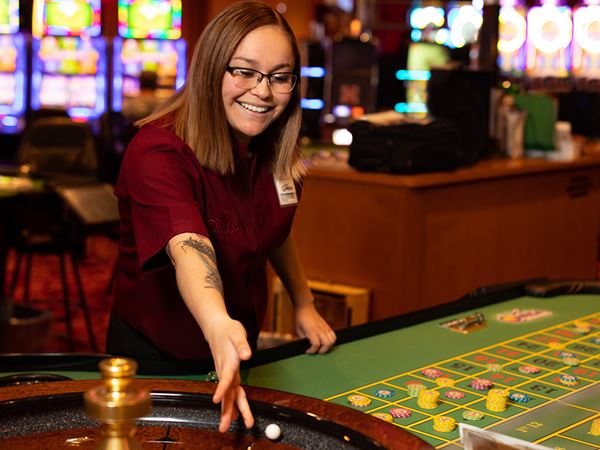
Additionally, casinos themselves work to diminish these illusions by maintaining a specific ambiance that encourages ongoing play. The sounds of ringing slots and the visual stimuli of flashing lights create an engaging environment that can lead players to believe they are more in control than they genuinely are. Understanding the randomness of casino gambling is crucial for players to engage responsibly and to view their gaming habits through a clear lens. By doing so, they can steer clear of the traps set by false perceptions of control and approach their gambling activities with a more informed mindset.
Stereotypes and misconceptions
Casino gambling is often steeped in stereotypes that paint a skewed picture of gamblers and their behaviors. Many people assume that those who gamble are primarily driven by greed or desperation, perpetuating the idea that casino environments are filled with individuals who are struggling financially. However, such assumptions fail to consider the diverse motivations that drive people to gamble. Many casino patrons view gambling as a form of entertainment, much like attending a concert or dining out with friends. They may have the financial means to indulge in this leisure activity without any negative repercussions.
Moreover, the myth of the “addicted gambler” oversimplifies a complex issue. While gambling addiction is a serious concern that affects a minority of individuals, it does not define the entire gambling population. Many individuals can engage in gambling activities responsibly and within their means, enjoying the thrill without falling into harmful behaviors. Recognizing that the majority of gamblers are moderate players who approach gambling as a fun pastime can help dismantle the stigmas associated with casino gambling and allow for more open conversations about responsible gambling practices.
Challenging these stereotypes is essential not only for public perception but also for the industry as a whole. By promoting a more accurate representation of gamblers as diverse individuals with varying motivations, the industry can foster a healthier gambling culture. Education and awareness initiatives can encourage responsible gaming, highlighting the importance of moderation and personal accountability rather than perpetuating negative stereotypes that could inhibit positive engagement with the casino experience. This shift in perception is vital for creating a more welcoming environment for all players.
The social aspects of gambling
Contrary to common belief, casino gambling often serves as a social hub rather than a solitary vice. Many patrons enjoy visiting casinos with friends or family, making it a social event marked by shared experiences and camaraderie. This communal aspect of gambling can enhance enjoyment and contribute to a sense of belonging. Engaging with others in games can create an energetic environment where laughter and excitement abound, turning gaming sessions into memorable occasions rather than isolated pursuits. This social dynamic can significantly enrich the overall experience of visiting a casino.

Additionally, many casinos embrace this social aspect by offering group gaming experiences, tournaments, and events that appeal to various interests. This strategic approach not only attracts a wider audience but also helps foster connections among players. Moreover, the social nature of gambling can encourage responsible play when friends hold each other accountable and share insights about money management and gameplay strategies. This leads to a more enjoyable experience overall, as players can celebrate victories together and support one another during losses.
However, players should still be mindful of balancing their social interactions with responsible gambling practices. While the atmosphere can be fun and engaging, it’s essential to remain aware of the risks associated with gambling. Social pressures to keep playing or to exceed one’s budget can occur, and it’s crucial for individuals to establish personal limits and communicate these boundaries with their companions. By prioritizing a balanced and responsible approach, players can fully enjoy the social benefits that come with casino gambling while maintaining control over their gaming habits. This approach allows for a richer, more fulfilling experience in the vibrant casino environment.
Exploring responsible gambling resources
As the gambling industry evolves, so do the resources available to promote responsible gaming. Many casinos and gaming establishments are now implementing measures to ensure that players are informed about the risks associated with gambling and have access to support if needed. These initiatives often include informational campaigns, self-exclusion programs, and resources that educate players about the importance of setting limits and recognizing signs of problem gambling. By providing these tools, casinos can actively contribute to a safer gambling environment.
Furthermore, the integration of technology in casinos allows for innovative solutions to foster responsible gambling. Online platforms often include personal budgeting tools, gaming history reviews, and reminders for players to take breaks. By utilizing these features, players can gain better control of their gambling habits. These resources serve as a reminder that responsible gaming should be at the forefront of the casino experience, helping to create a safer environment for all participants. Such advancements represent a proactive step towards ensuring that gambling remains a fun and enjoyable pastime.
In addition to casino-led initiatives, external organizations and support groups exist to assist individuals struggling with problem gambling. Resources such as hotlines and counseling services provide invaluable guidance and support for those in need. By promoting awareness of these options, casino operators and advocates can contribute to a culture of responsibility, ensuring that individuals who choose to gamble can do so in a way that prioritizes their well-being and enjoyment. This commitment to responsible gambling fosters a healthier community and supports the overall integrity of the gaming industry.