
The allure of gambling: Understanding the thrill
The thrill of gambling captivates individuals due to its unique blend of excitement and risk. This psychological phenomenon is often rooted in the unpredictability that accompanies games of chance. With every roll of the dice or spin of the wheel, players experience a surge of adrenaline. This rush can be likened to the exhilaration felt during extreme sports, such as skydiving, where the potential for victory amplifies the excitement. Many enthusiasts also explore online casino australia options that enhance their gaming experience. The anticipation of winning, combined with the possibility of loss, creates a potent emotional cocktail that entices players to return time and again.
Moreover, the casino environment is crafted to enhance this thrilling experience. From the dazzling lights to the inviting sounds of jingling coins, every element is designed to stimulate the senses. The rich aromas and luxurious decor further immerse players in a world where gambling is associated with pleasure and fun. This sensory overload can condition individuals to associate gambling not just with risk, but with pleasure, creating a powerful psychological reinforcement that encourages repeated engagement.
As players delve deeper into gambling, their emotional states can fluctuate dramatically. The highs experienced during winning streaks can lead to feelings of euphoria, while losses may bring about anxiety or frustration. This emotional rollercoaster can obscure the reality of the odds involved, making it difficult for individuals to maintain a clear understanding of their risk versus reward. Over time, this cycle can create a dependency on the highs of winning, leading to an increased desire to gamble despite the inherent risks.
The psychology of decision-making in gambling
Decision-making in the context of gambling is heavily influenced by various psychological biases and cognitive shortcuts. One of the most notable is the illusion of control, where players mistakenly believe they can influence game outcomes through their actions. For instance, a gambler may feel that their choice of numbers or strategies can somehow sway the odds in their favor, leading them to engage in behaviors that are statistically irrelevant. This false sense of control can perpetuate gambling behavior even when the odds are not in their favor, as players cling to the hope that their involvement will yield better outcomes.
Another compelling psychological aspect is loss aversion, a concept from behavioral economics that suggests individuals experience losses more intensely than equivalent gains. This reality often compels gamblers to chase their losses, leading to a cycle where they continue to gamble in an attempt to recoup lost funds. This chase can result in deeper financial issues, as the gambler may find themselves in a downward spiral of increasing bets, hoping for a win that may never come. This behavior exemplifies how psychological factors can undermine rational decision-making.

Cognitive dissonance also plays a significant role in gambling behavior. When gamblers face losses, they often rationalize their decisions, convincing themselves that their next bet will lead to a win. This internal conflict can make it challenging to withdraw from gambling, as individuals hold onto the belief that a change in fortune is just around the corner. Such rationalizations can perpetuate a cycle of gambling that becomes increasingly difficult to break, emphasizing the complex interplay of psychology in shaping gambling decisions.
The impact of social interactions on gambling behavior
Social interactions significantly influence gambling behavior, creating a dynamic environment where communal experiences can enhance individual participation. The atmosphere of a casino encourages camaraderie and competition, often motivating players to gamble more than they would in isolation. This social aspect can fulfill a psychological need for belonging, as individuals find enjoyment and excitement in shared experiences. The thrill of winning or losing together creates a bond that reinforces the desire to engage in gambling activities.
Peer pressure also plays a crucial role in influencing gambling decisions. When surrounded by friends or family who are gambling, individuals may feel compelled to join in, leading to a phenomenon known as social contagion. The excitement generated by others’ bets can create a sense of urgency and thrill, prompting individuals to participate even if they initially intended to play conservatively. This influence can amplify gambling behavior, leading to increased stakes and risk-taking, making it harder for individuals to resist the temptation to gamble.
The concept of social identity further complicates the relationship between individuals and gambling. Many gamblers derive a sense of identity from their gaming experiences, whether as a “high roller” or a member of a particular gaming community. This identification can foster pride and a sense of belonging, leading them to invest more time and resources into gambling. As their identity becomes intertwined with their gambling activities, it can become increasingly challenging to step back and assess their behavior objectively, reinforcing patterns that may be detrimental to their overall well-being.
The consequences of gambling addiction
Gambling addiction poses a serious challenge for many, leading to consequences that extend far beyond financial ruin. It can devastate personal relationships, strain mental health, and diminish overall quality of life. Individuals grappling with gambling disorders often experience profound feelings of shame and guilt, which can isolate them from friends and family. This isolation can perpetuate the cycle of addiction, as the thrill of gambling overshadows the negative impacts, creating a disconnection from reality and genuine relationships.
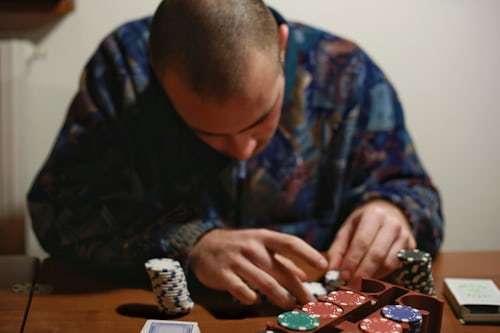
Research indicates that gambling addiction activates similar brain pathways as substance abuse, highlighting the compulsive nature of this behavior. As individuals chase the next high, they may prioritize gambling above all else, neglecting responsibilities and relationships. This compulsive need can lead to emotional and financial devastation, resulting in mental health issues such as anxiety and depression that further complicate recovery. The challenges posed by gambling addiction underscore the necessity for awareness and intervention.
Fortunately, help is available for those affected by gambling addiction. Numerous support networks, therapeutic options, and educational resources can assist individuals in reclaiming control over their lives. Raising awareness about the signs of gambling addiction is crucial in fostering understanding and encouraging those in need to seek help. With the right support systems in place, individuals can confront their gambling behaviors, learn healthier coping strategies, and work towards rebuilding their lives free from the compulsive grip of addiction.
Understanding your relationship with gambling
To cultivate a healthier relationship with gambling, self-reflection and honesty are vital. Individuals must assess how gambling fits into their lives, recognizing motivations, triggers, and emotional responses. Understanding these psychological underpinnings can provide valuable insights that inform their gambling choices. By identifying patterns and potential red flags, individuals can make more informed decisions about their gambling activities, helping to prevent unhealthy behaviors.
Many resources are available to aid individuals in navigating their relationship with gambling. Educational websites and organizations often provide tools for self-assessment, enabling individuals to explore the potential risks and rewards of gambling. Engaging with these resources can facilitate a deeper understanding of one’s behavior patterns and prompt individuals to seek help if necessary. Establishing a supportive network is also beneficial, as sharing experiences with trusted friends or family members can promote accountability and foster open dialogue about gambling habits.
Ultimately, fostering a healthy relationship with gambling involves recognizing its place in life and understanding the emotional and psychological factors at play. The journey toward responsible gambling requires continuous self-evaluation, education, and support. By adopting a mindful approach, individuals can enjoy the entertainment aspects of gaming while minimizing the risks associated with addiction, paving the way for a balanced and fulfilling relationship with gambling.