
The allure of risk and excitement
The thrill associated with gambling is deeply rooted in human psychology. For many individuals, the potential for winning large sums of money creates a unique sense of excitement that ignites adrenaline. This feeling can be addictive; it fosters a desire for more. The anticipation of winning, combined with the risk of losing, creates a stimulating environment that can be difficult to resist. Many players enjoy various forms of entertainment, including pokies online nz , as casinos amplify this allure by providing a vibrant atmosphere filled with lights, sounds, and excitement that heightens this thrill.
Additionally, the emotional high associated with gambling can lead to a phenomenon known as “near misses.” When players almost win but fall short, they often experience a rush of excitement even in defeat. This cognitive bias can reinforce gambling behavior, as individuals may misinterpret these near misses as signs of forthcoming success. Consequently, they might continue to play, believing that their next bet could finally lead to a win, making the cycle of engagement stronger.
This inherent desire to take risks is not limited to gambling; it exists in various aspects of life. However, the controlled environment of a casino makes risk-taking more appealing. Gamblers enjoy the opportunity to test their luck and skills against the odds, leading to a type of psychological playground where excitement and anxiety intertwine. As they navigate the uncertainties, the thrill intensifies, keeping them coming back for more.
The impact of social dynamics
Human beings are inherently social creatures, and this trait significantly influences gambling behavior. Casinos are designed to enhance social interaction, whether through group games like poker or the communal experience of playing slots. The social aspect of gambling can lead to a sense of belonging, as players often share stories and celebrate wins together. This can enhance the overall experience, making it more enjoyable and encouraging repeat visits.
Moreover, gambling can serve as a social lubricant, encouraging interactions between strangers. The environment is often bustling and lively, providing a backdrop for casual conversations and friendships. In this way, people may feel compelled to gamble not just for the potential financial gain but also to connect with others. These social ties can deepen the emotional experience, allowing players to return to casinos not just for the thrill of the game but also for the companionship it fosters.
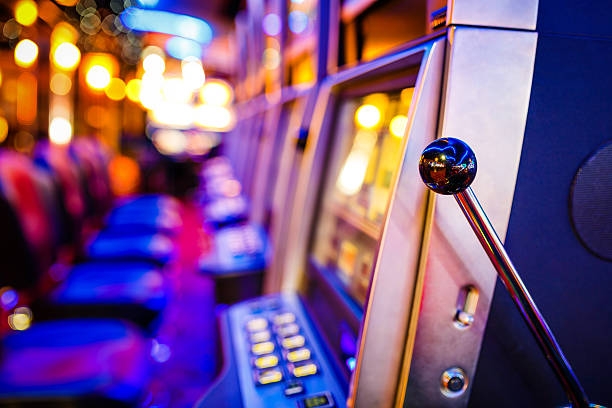
However, it’s essential to acknowledge that the social dynamics in casinos can also have negative implications. Peer pressure can push individuals to gamble beyond their limits, leading to poor financial decisions. The desire to fit in or impress friends can override rational thinking, resulting in behavior that might not align with their values. Understanding these social influences is vital for responsible gambling, as they can significantly impact one’s experience in a casino setting.
The role of cognitive biases
Cognitive biases play a critical role in shaping gambling behavior. One prominent bias is the illusion of control, where gamblers believe they can influence the outcome of games, particularly in games of chance. This illusion often leads them to take greater risks, believing that their skill or strategy can alter the odds in their favor. For example, a player might think that their betting pattern will lead to a win, even when the game is purely random.
Another common cognitive bias is the “gambler’s fallacy,” where players assume that past events affect future outcomes. If a player experiences a series of losses, they might believe that a win is imminent, prompting them to continue betting. This fallacy reinforces the cycle of gambling, despite the fact that each event is independent. Such thinking can lead individuals to chase their losses, compounding their financial woes and further entrenching them in gambling behavior.
Understanding these cognitive biases is essential for both players and those seeking to regulate gambling behavior. Recognizing that emotions and irrational thinking frequently govern decisions in gambling can help individuals make more informed choices. By addressing these cognitive pitfalls, gamblers can increase their awareness of their patterns and potentially mitigate the negative impacts of gambling addiction.
The physiological effects of gambling
The physiological responses associated with gambling are rooted in the brain’s reward system, which releases neurotransmitters like dopamine during moments of risk and reward. This chemical reaction generates feelings of pleasure and satisfaction, which can lead to repetitive behavior. As players experience wins, their brains become conditioned to seek out those pleasurable sensations, encouraging them to continue gambling in search of that euphoric feeling.

When individuals lose, however, the brain may respond with significant stress or disappointment, leading to a complex emotional cycle. This contrast between the highs of winning and the lows of losing can create a rollercoaster of emotions, making gambling an exciting yet tumultuous activity. The body can become desensitized to the highs over time, leading players to increase their bets in search of the same stimulating effects they previously experienced.
Moreover, the physiological effects of gambling extend beyond the immediate psychological thrill. Chronic gamblers may experience heightened levels of anxiety, depression, and a range of physiological symptoms as they confront the stress of financial loss. Understanding these physiological implications is crucial for creating awareness around responsible gambling practices, helping individuals recognize when their engagement may be crossing into unhealthy territory.
Exploring responsible gaming and awareness
As the complexities of gambling psychology unfold, it becomes increasingly crucial to foster an environment of responsible gaming. Awareness campaigns and educational initiatives can help individuals understand the psychological and emotional factors at play. These initiatives can encourage gamblers to reflect on their motivations and be more mindful of their gambling behavior. By acknowledging the psychological traits that drive their actions, players can develop healthier habits and set limits.
Furthermore, casinos and gaming establishments have a responsibility to promote responsible gambling. Many have introduced self-exclusion programs and offer resources for those seeking help. These measures aim to create a safer gaming environment by providing support for individuals who may be struggling with addictive behaviors. Creating a culture of transparency and accountability can empower players to make informed decisions, ultimately leading to a more positive gaming experience.
Education also plays a fundamental role in understanding gambling’s psychological landscape. By providing resources for understanding the signs of gambling addiction and its impacts, individuals can gain crucial insights into their behavior. Access to information about the potential risks associated with gambling encourages players to approach the activity more cautiously, fostering a healthier relationship with gaming as a whole.